Medical Disposable Items List: Every Category, With Examples, and How Disposables Differ From Consumables
Medical disposable items list by category: gowns, masks, gloves, caps, shoe covers, bed sheets and more, plus disposables vs consumables, for GCC buyers.
Published · 7 min read
Key facts
- A medical disposable is a product intended to be used once and discarded. SFDA defines a single-use medical device as one made for use on one patient during a single procedure and then disposed of.
- The main categories are protective apparel (gowns, masks, gloves, caps, shoe covers, aprons), patient-care textiles (patient gowns, bed sheets, couch rolls, bibs) and clinical procedure items (syringes, IV sets, catheters, dressings).
- There is no regulatory definition that separates 'disposables' from 'consumables'. WHO uses 'consumable' for items used up alongside equipment, and SFDA groups such items under 'medical supplies', which explicitly include medical gases.
- In Saudi Arabia, no medical device may be traded without SFDA registration and marketing authorisation (MDMA); SFDA classifies devices from Class A (low risk) to Class D (high risk).
- WHO estimates about 85% of healthcare waste is general, non-hazardous waste and 15% is hazardous, so used disposables must be segregated correctly.
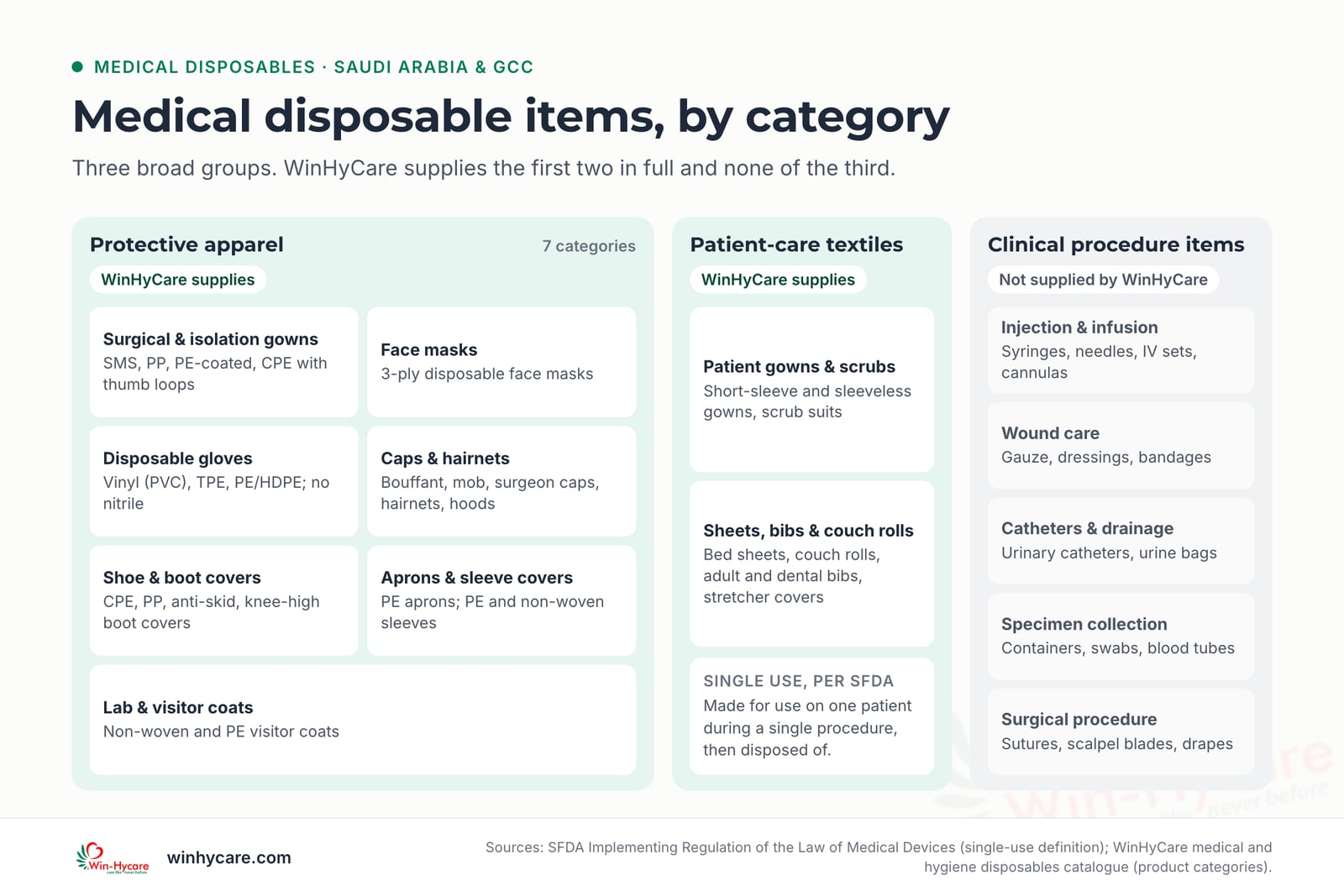
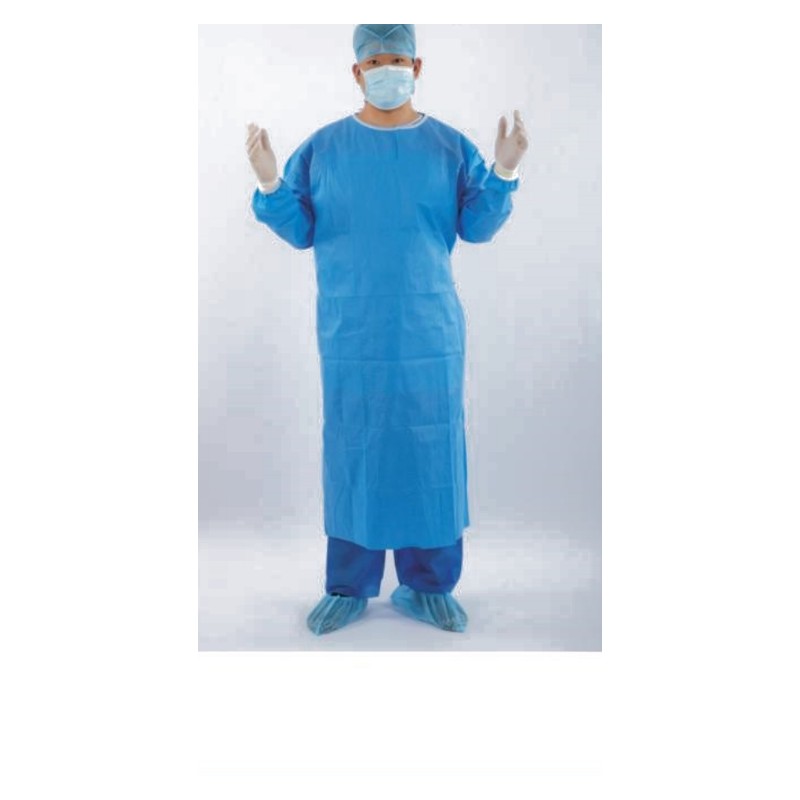
Medical disposables are products made to be used once and then thrown away. They fall into three broad groups: protective apparel (gowns, masks, gloves, caps and hairnets, shoe covers, aprons, sleeve covers, visitor coats), patient-care textiles (patient gowns, scrub suits, bed sheets, couch rolls, bibs, stretcher covers) and clinical procedure items (syringes, needles, IV sets, catheters, dressings, specimen containers). WinHyCare’s medical and hygiene disposables catalogue covers the first two groups in full.
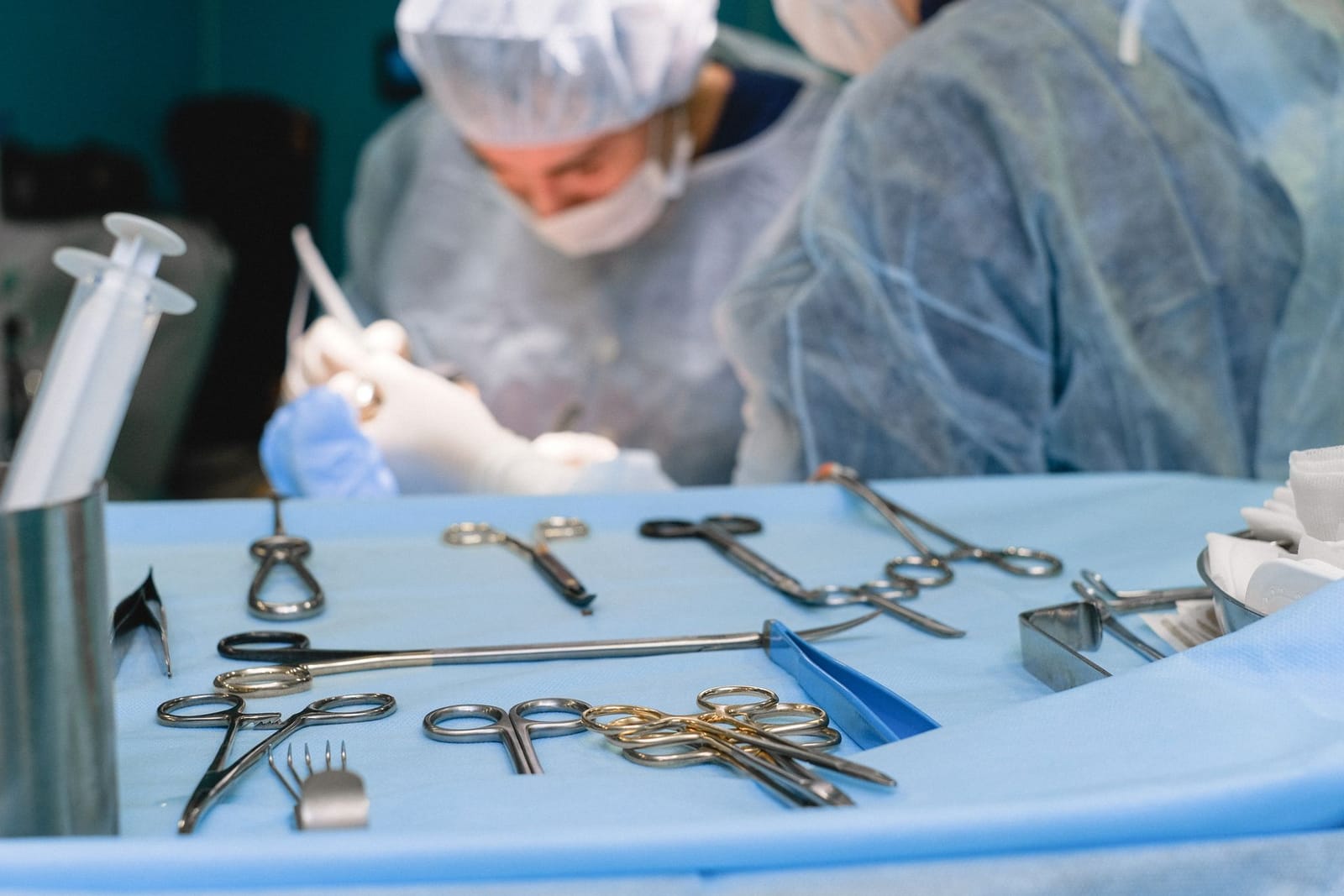
Saudi SFDA’s definition is the one that matters for GCC buyers: a single-use medical device is “manufactured for the purpose of use on one patient during a single procedure, and then disposed thereof.” The US and EU say the same thing in slightly different words.
What counts as a medical disposable?
Three regulators, one idea.
- Saudi Arabia (SFDA): “Single use Medical Device: Manufactured for the purpose of use on one patient during a single procedure, and then disposed thereof.”
- United States (FD&C Act): “a device that is intended for one use, or on a single patient during a single procedure.”
- European Union (MDR 2017/745, Article 2(8)): “a device that is intended to be used on one individual during a single procedure.”
The key words are “intended” and “single procedure.” A gown is disposable because its maker designed and labelled it for one use, not because it happens to be cheap. Re-using a single-use gown is a different product decision with different risks, whatever the price per piece.
Not every disposable is a medical device, either. A hairnet sold to a bakery and the same hairnet sold to an operating theatre are physically identical; what changes is the intended purpose, and with it the rules that apply.
Medical disposable items list by category
This is the working list most GCC hospitals, clinics and laboratories buy from. The first nine rows are WinHyCare’s categories; the last rows are common disposables we do not supply.
| Category | Typical items | From WinHyCare? |
|---|---|---|
| Surgical and isolation gowns | SMS surgical gowns, PP isolation gowns, PE-coated gowns, CPE gowns with thumb loops | Yes |
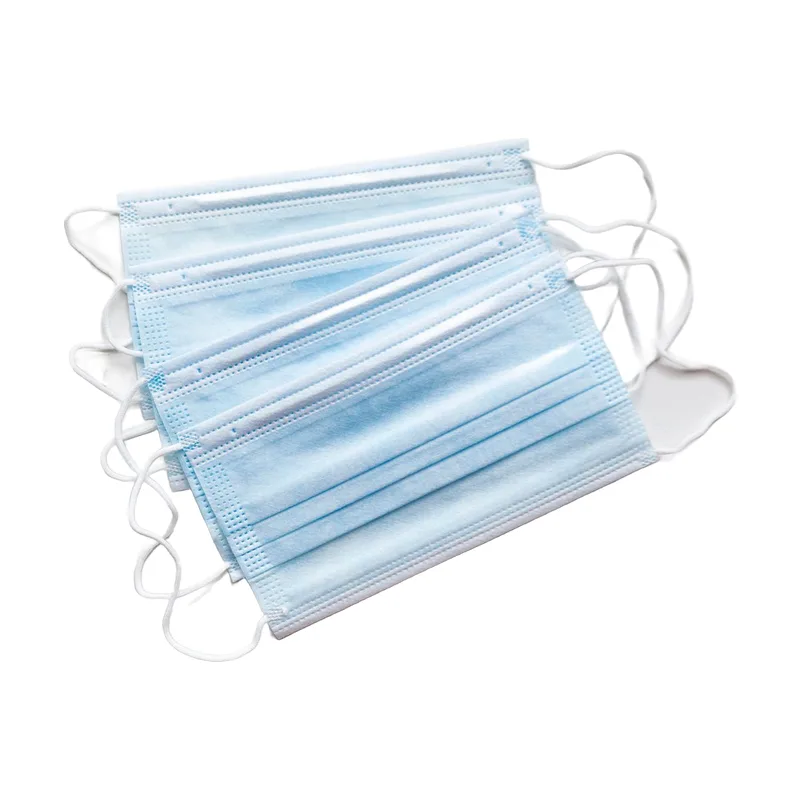
| Face masks | 3-ply disposable face masks | Yes |
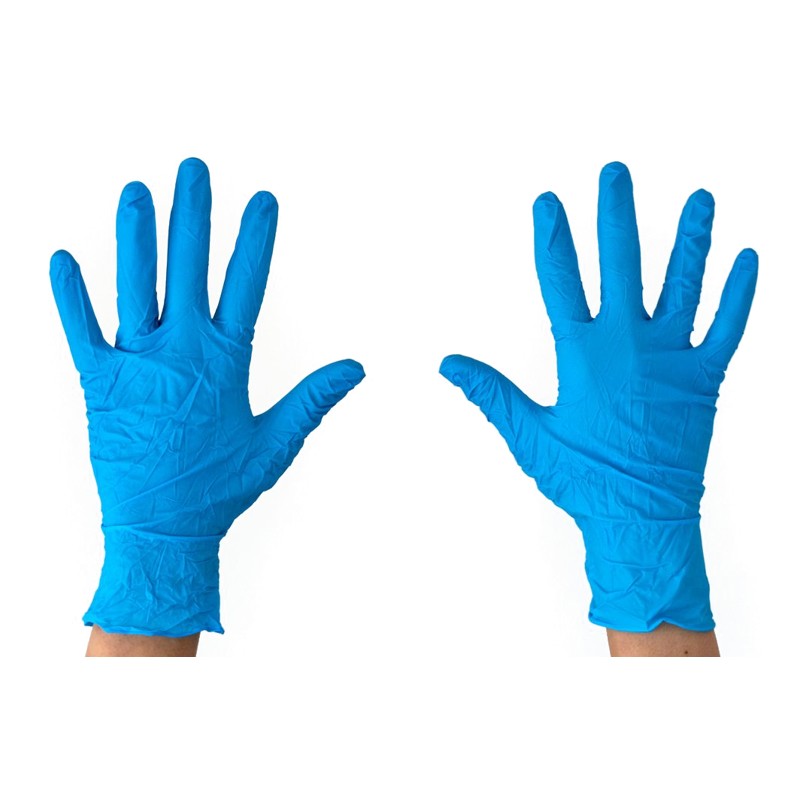
| Disposable gloves | Vinyl (PVC), TPE and PE/HDPE gloves | Yes (no nitrile) |
| Medical caps and hairnets | Bouffant caps, mob caps, surgeon caps, nylon hairnets, balaclava hoods | Yes |
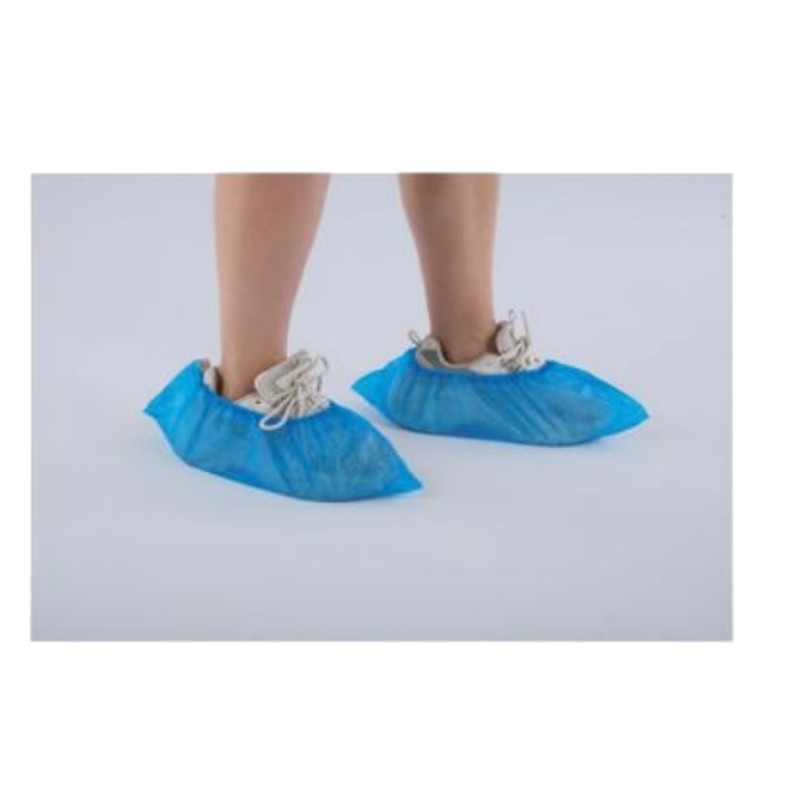
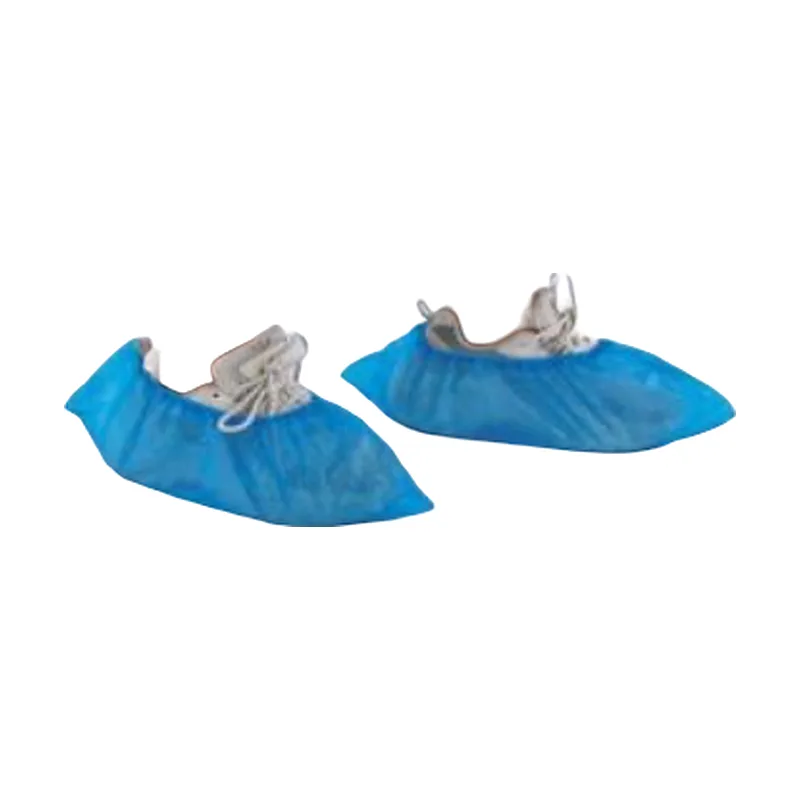
| Shoe and boot covers | CPE, PP and anti-skid shoe covers, knee-high boot covers | Yes |
| Aprons and sleeve covers | PE aprons, PE and non-woven sleeve covers | Yes |
| Lab and visitor coats | Non-woven and PE visitor coats | Yes |
| Patient gowns and scrubs | Short-sleeve and sleeveless patient gowns, patient scrub suits | Yes |
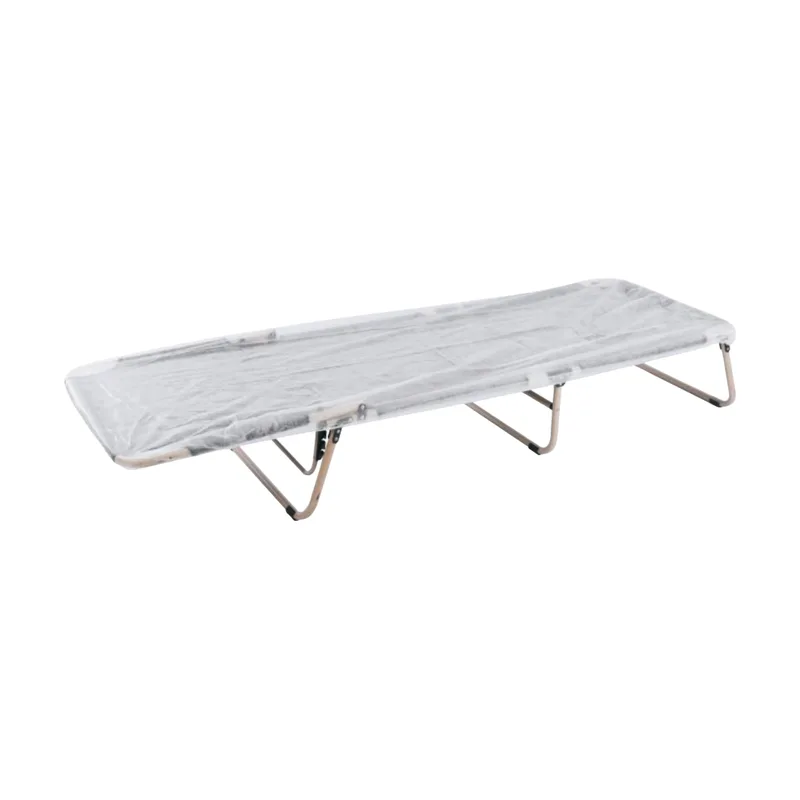
| Bed sheets, bibs and couch rolls | Bed sheets, examination couch rolls, adult and dental bibs, stretcher covers, bathroom anti-slip pads | Yes |
| Injection and infusion | Syringes, needles, IV sets, cannulas | No |
| Wound care | Gauze, dressings, bandages | No |
| Catheters and drainage | Urinary catheters, urine bags | No |
| Specimen collection | Specimen containers, swabs, blood collection tubes | No |
| Surgical procedure | Sutures, scalpel blades, surgical drapes | No |
One honest exception in our own range: the silicone instrument mat sits in the accessories category but is reusable and autoclavable, not disposable.
What is the difference between disposables and consumables?
People search this constantly, and the honest answer is that no regulator defines the two terms against each other. We checked WHO, SFDA, the US FDA and the EU MDR. Here is how the authorities actually use the words.
WHO separates disposables from equipment. Its medical devices page says “medical equipment excludes implantable, disposable or single-use medical devices,” and describes equipment as used “in combination with any accessory, consumable or other piece of medical equipment.” WHO’s COVID-19 priority list groups items as “personal protective equipment, medical equipment, medical consumables.”
SFDA uses an umbrella term. Its Implementing Regulation defines “Medical Supplies” as “medical materials and products used in diagnosis, treatment, replacement, modification, disability cases or other medical uses for humans, including medical gases.”
From those, a workable distinction:
| Disposable | Consumable | |
|---|---|---|
| Core idea | Designed for one use, then discarded | Used up in the course of care or running equipment |
| Examples | Gowns, masks, gloves, syringes, shoe covers | All disposables, plus reagents, medical gases, recorder paper, cleaning chemicals |
| Is it a medical device? | Often, if it has a medical purpose | Sometimes (a reagent may be; a printer roll is not) |
So every disposable is a consumable, but not every consumable is a single-use device. In a procurement system, “consumables” is usually the bigger bucket, with disposables as a sub-group.

Are medical disposables regulated as medical devices in Saudi Arabia?
Those with a medical purpose are. SFDA’s Implementing Regulation states: “No medical device shall be traded in the Kingdom, unless it is registered and obtains Marketing Authorization from the SFDA.” Article 21 sets four risk classes, from Class A (low risk) to Class D (high risk), and SFDA’s MDMA requirements document says all non-invasive devices are Class A unless another classification rule applies. The same document requires the manufacturer’s quality management system to follow ISO 13485:2016.
US rules give a useful picture of where common disposables sit. FDA’s surgical apparel regulation (21 CFR 878.4040) covers “surgical caps, hoods, masks, gowns, operating room shoes and shoe covers, and isolation masks and gowns,” with surgical gowns and surgical masks in Class II and other surgical apparel in Class I. Non-powdered patient examination gloves are Class I, described as “a disposable device intended for medical purposes.”
The EU shows how intended purpose changes the rules. A 2020 Commission Recommendation notes that surgical masks, examination gloves and some types of gowns fall under medical device law, while masks for protection against particulate hazards fall under PPE law.

Which standards should a disposables tender name?
Ask for the standard, the edition and the test report. Two editions changed in 2025:
- Face masks: EN 14683. BSI lists EN 14683:2025 as current, superseding the 2019 edition.
- Surgical gowns and drapes: EN 13795-1. The 2025 edition replaced the 2019 edition in February 2025. In the US, gowns are rated to ANSI/AAMI PB70 levels 1 to 4; see isolation vs surgical gowns.
- Medical gloves: the EN 455 series, which includes EN 455-1 on freedom from holes. Our glove comparison covers materials.
- Quality system: ISO 13485:2016, which SFDA’s MDMA requirements reference.
What happens to medical disposables after use?
They become healthcare waste, and segregation matters. WHO estimates that “about 85% is general, non-hazardous waste comparable to domestic waste,” while the remaining 15% is hazardous material that may be infectious, chemical or radioactive. Which stream an item goes into depends on how it was used and on local rules: a gown soaked with blood is infectious waste, its plastic wrapper is not. Put the right bins at the right exits and the hazardous stream stays as small as it should be.
How do you build a disposables list for your facility?
- Walk the patient journey, from entrance to discharge, and note every point where staff, visitors or patients need a single-use item.
- Group by category using the table above, so one supplier can quote whole categories.
- Fix the specification for each item: material, GSM, size, sterile or non-sterile, standard and edition.
- Estimate monthly use per department, then add safety stock for outbreaks and for seasonal peaks, such as the Hajj and Umrah seasons for facilities in Makkah and Madinah.
- Check regulatory status for medical-purpose items with SFDA.
WinHyCare is a supplier and exporter of medical and hygiene disposables to hospitals, clinics, laboratories, pharmaceutical plants and distributors across Saudi Arabia and the GCC, supplied to ISO 9001 and ISO 13485 quality standards. See our Saudi Arabia supply page, or send your list with monthly quantities for a consolidated quote.
Frequently asked questions
What are medical disposables?+
Medical disposables are products designed to be used once and then discarded, such as surgical gowns, face masks, examination gloves, caps, shoe covers, syringes and IV sets. Regulators call the device versions single-use devices: SFDA defines a single-use medical device as one manufactured for use on one patient during a single procedure and then disposed of.
What is the difference between disposables and consumables?+
No regulator draws a formal line between the two words. In practice, a disposable is designed for single use and then thrown away, while a consumable is anything used up in the course of care or operating equipment, which can include reagents, printer rolls and medical gases. Most disposables are consumables; not every consumable is a single-use device.
What are the most common medical disposable items?+
In most hospitals the highest-volume items are examination gloves, face masks, caps and hairnets, shoe covers, isolation gowns, aprons, bed sheets and couch rolls, along with syringes, needles, IV sets and dressings. The first group is protective apparel and patient-care textiles; the second is clinical procedure items.
Do medical disposables need SFDA approval in Saudi Arabia?+
Products sold as medical devices do. SFDA's Implementing Regulation of the Law of Medical Devices says no medical device may be traded in the Kingdom unless it is registered and has marketing authorisation (MDMA). Whether a product is a medical device depends on its intended medical purpose, so confirm the classification with SFDA for your use.
Does WinHyCare supply nitrile gloves?+
No. WinHyCare supplies vinyl (PVC), TPE and PE/HDPE disposable gloves, but not nitrile. Our glove comparison guide explains when each material is the right choice.
Sources
- Implementing Regulation of the Law of Medical Devices (definitions; Articles 8 and 21), Saudi Food and Drug Authority (SFDA)
- MDS-REQ 1: Requirements for Medical Devices Marketing Authorization, version 6.0, Saudi Food and Drug Authority (SFDA)
- 21 U.S. Code § 321(ll): definition of single-use device, US Code (Cornell Legal Information Institute)
- Regulation (EU) 2017/745 on medical devices, Article 2(8), EUR-Lex, European Union
- Medical devices (Health Product Policy and Standards), World Health Organization
- Priority medical devices for COVID prevention, diagnostic and management, World Health Organization
- 21 CFR 878.4040 Surgical apparel, US Code of Federal Regulations (Cornell Legal Information Institute)
- 21 CFR 880.6250 Non-powdered patient examination glove, US Code of Federal Regulations (Cornell Legal Information Institute)
- Commission Recommendation (EU) 2020/403 on conformity assessment and market surveillance procedures within the context of the COVID-19 threat, EUR-Lex, European Union
- Health-care waste (fact sheet, 24 October 2024), World Health Organization
- BS EN 14683:2025 Medical face masks. Requirements and test methods, BSI
- BS EN 13795-1:2025 Surgical clothing and drapes. Surgical drapes and gowns, BSI