Winhycare Pharma · Biosimilars & biologics
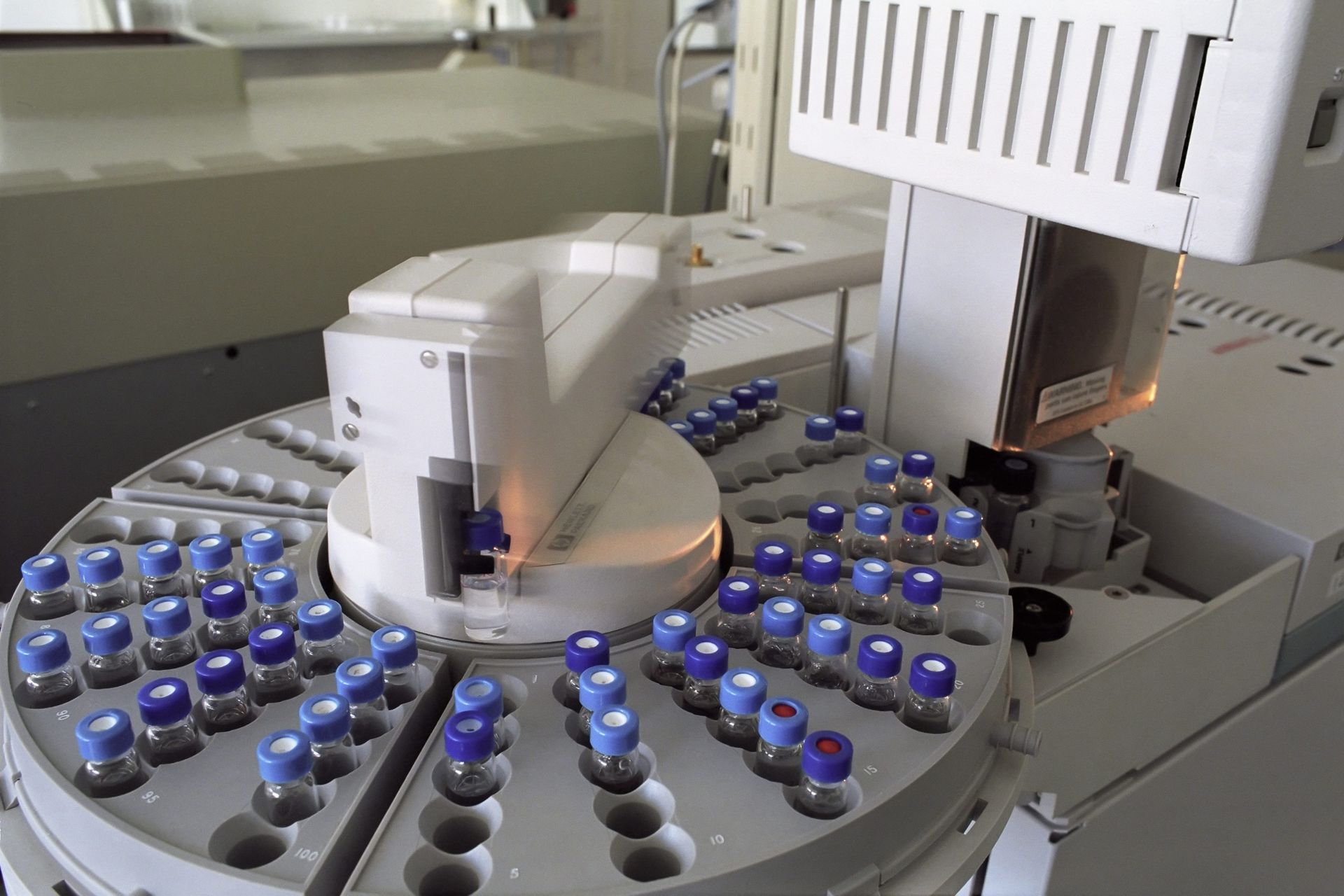
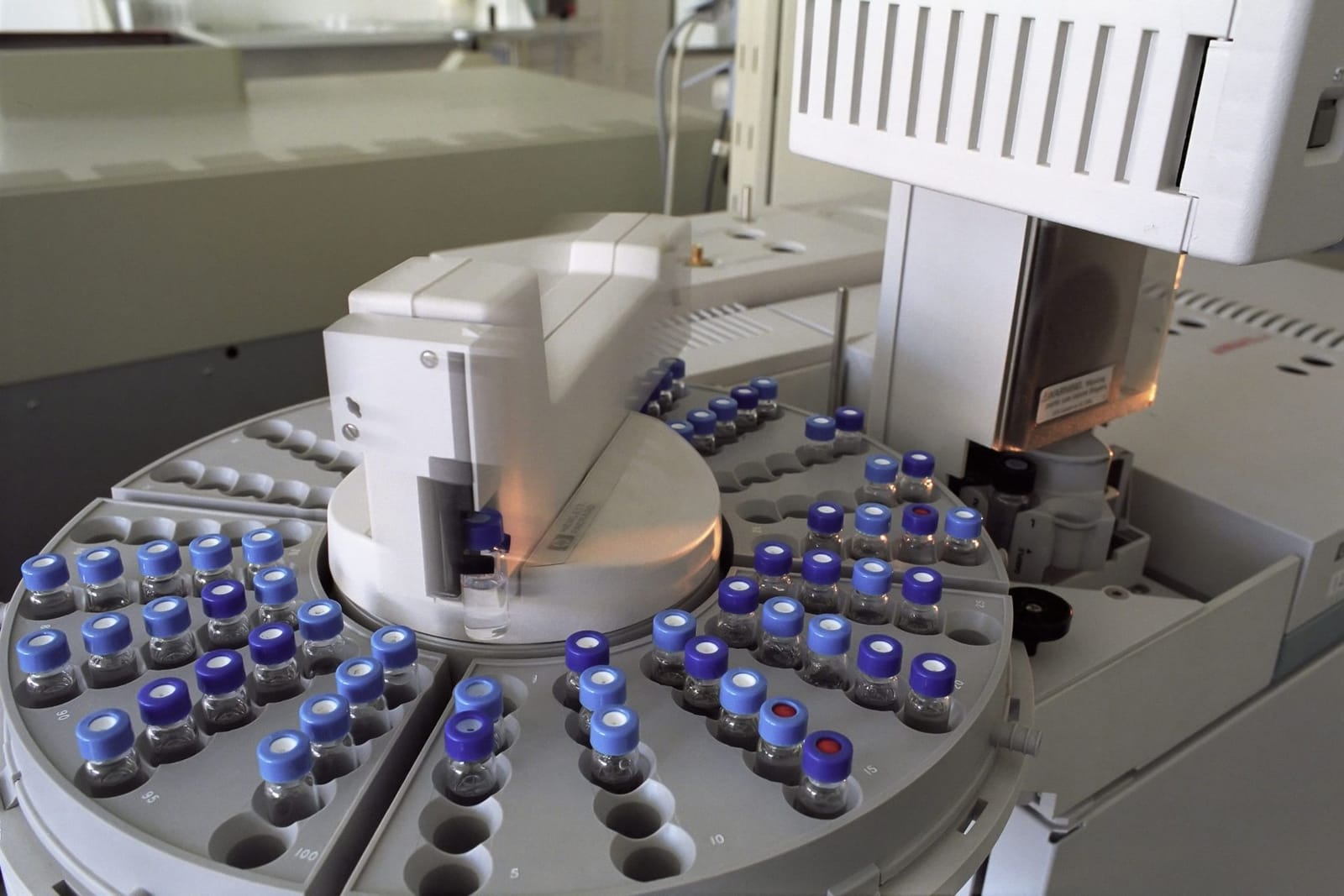
Biosimilar and protein lyophilisation (lyophilization) and vial filling
Lyophilised powder for injection, made from your biosimilar or protein formulation: cycle development around the formulation, then engineering, pilot and commercial batches for approved products, at WHO-GMP certified manufacturing partners in India.
By Kareem Ahmed Basha, Director & Chief Scientific Officer · Reviewed by Nisar Mohammed · Updated
WHO-GMPCertified manufacturing partners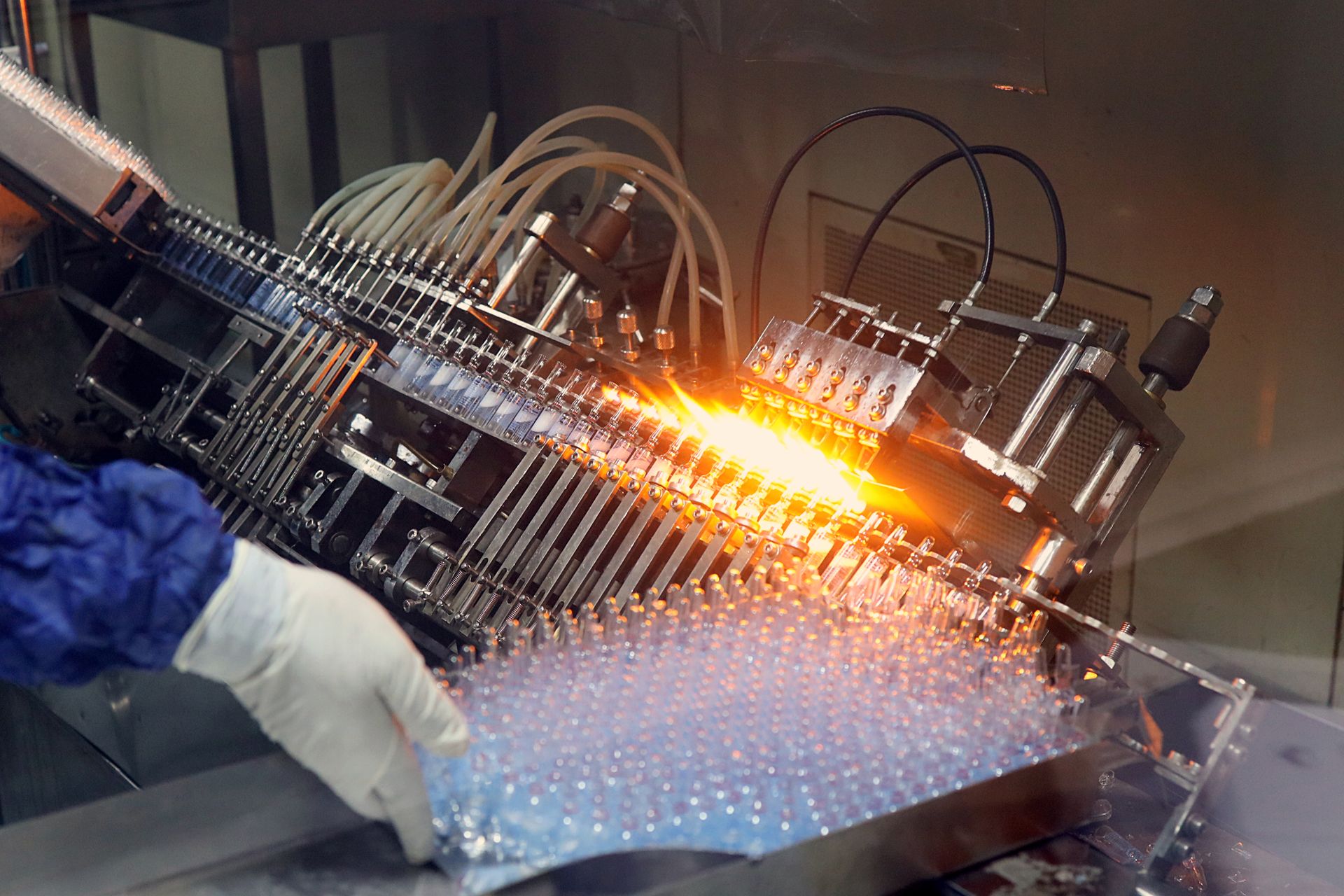
Winhycare Pharma lyophilises and fills biosimilars and peptides into vials for biotechnology, pharmaceutical and research organisations. Processing takes place at WHO-GMP certified manufacturing partners in India, with each project managed from Hyderabad. Development work and engineering or pilot batches come first; commercial manufacturing of approved products is subject to the applicable regulatory approvals, manufacturing licences and site authorisations. WHO-GMP certification is not an EU GMP certificate or FDA approval, so clinical or commercial supply also depends on the target market’s requirements.
Bring your own biosimilar or peptide
Lyophilisation and vial filling are offered on their own for material you supply. Send us the product, specification and target presentation, and we develop the cycle and process it through our manufacturing partners.
How lyophilisation works, in under two minutes
Read the transcript
Many peptides and biosimilars are unstable in solution. Lyophilisation solves that. The product is filled into vials and frozen. Under vacuum, the ice turns straight to vapour. Then the remaining bound water is removed. What's left is a stable, dry cake, sealed in the vial and ready to reconstitute. Winhycare Pharma lyophilises and fills peptides and biosimilars into vials, at WHO-GMP certified manufacturing partners in India. We develop the freeze-drying cycle for your formulation. We control freezing and drying, optimise residual moisture and reconstitution, and handle nitrogen flushing, stoppering, crimp sealing and documentation. Already have your peptide? Send it to us, and we'll lyophilise it as a standalone service. Or source the peptide and the lyophilisation together, in one project. Every project starts with a technical scope and cycle development, then moves through engineering and pilot batches, to commercial campaigns for approved products. Research-use-only material carries the right designation, and commercial work follows the applicable approvals. We work with companies across Europe, the United Kingdom and the United States. For a proposal, send us your product details, intended use, quantity per vial, batch size, testing needs and timeline. Winhycare Pharma. Peptide and biosimilar lyophilisation, from cycle to vial.
Why biologics are supplied as lyophilised powder
Many biological medicines, including some monoclonal antibodies, enzymes and hormones, are more stable as a dry solid than in solution. In solution, proteins can aggregate, oxidise or deamidate over time. Lyophilisation removes water at low temperature: the frozen product is dried under vacuum by sublimation (primary drying), then bound water is removed at a higher shelf temperature (secondary drying). The vial is sealed and the powder is reconstituted shortly before use.
For a biosimilar, the presentation is normally matched to the reference medicine. EMA’s guideline on similar biological medicinal products requires the same posology and route of administration as the reference product, and expects any difference in strength, pharmaceutical form, formulation, excipients or presentation to be justified. In the United States, biosimilars are licensed under section 351(k) of the Public Health Service Act.
What a protein lyophilisation cycle has to control
Proteins are sensitive to both freezing and drying stresses, so the cycle is developed around the formulation rather than taken from a generic recipe.
Freezing
Ice formation concentrates the protein and buffer salts and creates ice-water interfaces where proteins can unfold. Freezing rate and any annealing step are set for the formulation.
Lyoprotectants
Sugars such as sucrose or trehalose form a glassy matrix that replaces water around the protein and protects it during drying and storage.
Collapse temperature
Primary drying runs with the product kept below its collapse temperature, which is linked to the glass transition of the freeze-concentrate (Tg′). Above it, the cake structure is lost.
Residual moisture
Secondary drying removes bound water to the residual moisture the product needs for stability over its shelf life.
Reconstitution
Cake structure and formulation decide how quickly and completely the powder dissolves when it is reconstituted before use.
Aggregation
Aggregates and sub-visible particles are the critical quality attributes most affected by freeze-drying, so they are monitored through development.
If the process changes after approval, ICH Q5E sets out how to show that the product before and after the change remains comparable in quality, safety and efficacy.
Biosimilar lyophilisation capabilities
- Lyophilisation and vial filling of biosimilars and peptides
- Lyophilisation cycle development and optimisation for your formulation
- Engineering, pilot and commercial batch processing (commercial for approved products)
- Controlled freezing and drying parameters
- Residual moisture and reconstitution optimisation
- Nitrogen flushing and handling, where applicable
- Product-specific batch sizes and vial configurations
- Coordination of analytical testing, qualification and documentation
What we need to prepare a proposal
- Product name, specifications and regulatory approval status
- Intended use: research, development or commercial supply
- Target quantity per vial and proposed formulation
- Batch quantity and preferred vial configuration
- Analytical, release testing and documentation requirements
- Target market and expected project timeline
Mutual NDAs can be signed before technical data is shared.
Send a project enquiryFrequently asked questions
Do you lyophilise biosimilars?
Yes. We lyophilise and fill biosimilars and peptides into vials at WHO-GMP certified manufacturing partners in India, with projects managed by Winhycare Pharma in Hyderabad. Commercial processing of approved products is subject to the applicable regulatory approvals, manufacturing licences and site authorisations.
Can we bring our own biosimilar or peptide?
Yes. Lyophilisation and vial filling are offered as a standalone service for material you supply. You send the product, specification and target presentation; we develop the cycle and process it through our manufacturing partners.
Why are many biologics supplied as lyophilised powder?
Many proteins, including some monoclonal antibodies, enzymes and hormones, are more stable as a dry solid than in solution. Freeze-drying removes water at low temperature, and the product is reconstituted shortly before use.
Does a biosimilar have to match the reference product’s presentation?
Normally yes. EMA’s guideline on similar biological medicinal products requires the same posology and route of administration as the reference medicine and expects any difference in strength, pharmaceutical form, formulation, excipients or presentation to be justified.
What do you need to prepare a proposal?
Product name, specifications and regulatory approval status; Intended use: research, development or commercial supply; Target quantity per vial and proposed formulation; Batch quantity and preferred vial configuration; Analytical, release testing and documentation requirements; Target market and expected project timeline.
Related
- Peptide lyophilisation and vial filling
- Lyophilisation for European companies: countries and requirements
- Peptide lyophilisation guide: freezing, primary and secondary drying
- Lyophilised peptide stability and storage
- Service page in: DeutschFrançaisItalianoEspañolNederlandsPolski
Sources
- Guideline on similar biological medicinal products (CHMP/437/04 Rev 1), European Medicines Agency
- Biosimilars, US Food and Drug Administration
- ICH Q5E: Comparability of biotechnological/biological products subject to changes in their manufacturing process, ICH
- EudraLex Volume 4, EU GMP guidelines (Annex 1: manufacture of sterile medicinal products), European Commission
More from Winhycare Pharma · Peptide APIs
Products & services
- Peptide APIs & CMO services
- Research peptides (RUO), >99% purity
- GLP-1 research peptides
- Semaglutide API supplier
- Custom peptide synthesis
- Peptide lyophilisation (lyophilization) services
- Biosimilar and protein lyophilisation
- Lyophilisation for European companies
- Peptide CDMO & contract manufacturing
- Peptide API supplier for Europe
- Peptide API supplier for the USA
Guides