Blood Bank Equipment List: What a Licensed Blood Centre in India Needs
The equipment a licensed blood centre in India needs, area by area, per Schedule F Part XII-B: collection, testing, components, cold storage and calibration.
Published · 8 min read
Key facts
- In India, the minimum equipment for a blood centre is set by Schedule F Part XII-B of the Drugs and Cosmetics Rules, 1945, as amended by G.S.R. 166(E) in March 2020, which also renamed blood banks 'blood centres'.
- Cold-chain equipment runs through the list: 2–6°C refrigerators with a recording thermograph and alarm, a platelet agitator with incubator, deep freezers at −30°C to −40°C and −75°C to −80°C, and insulated transport containers.
- Component preparation adds a refrigerated centrifuge, a plasma expresser or automated extractor, a tube sealer, a laminar air flow bench, a plasma thawing bath and a cryobath.
- The rules also set calibration frequencies; for example, temperature recorders are compared against a thermometer daily.
- A licence (Form 28-C) is valid for five years, and the equipment is inspected before grant or renewal.
A licensed blood centre in India needs equipment in five areas: donor collection, blood grouping and infection testing, component preparation, cold storage at three different temperatures, and general support (sterilisation, waste and standby power). The legal minimum is listed in Schedule F Part XII-B of the Drugs and Cosmetics Rules, 1945. WinHyCare designs and supplies the cold-chain part of that list, from blood bank and transfusion storage equipment to transport coolers, and this guide is honest about the rest.
The March 2020 amendment (G.S.R. 166(E)) renamed blood banks “blood centres” throughout the rules and updated parts of the equipment list. Both terms still appear in tenders, so we use both here.
What equipment does a blood bank need?
Here is the Schedule F list, grouped by area, with what the rule says about each item and whether we supply it. Where the rule sets a temperature, it is quoted.
| Area | Equipment named in Schedule F Part XII-B | What the rule specifies | From WinHyCare? |
|---|---|---|---|
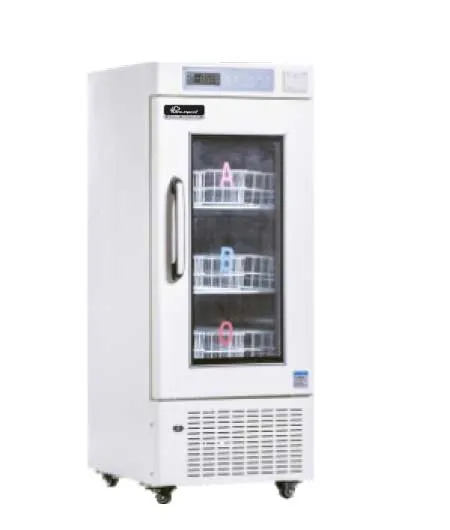
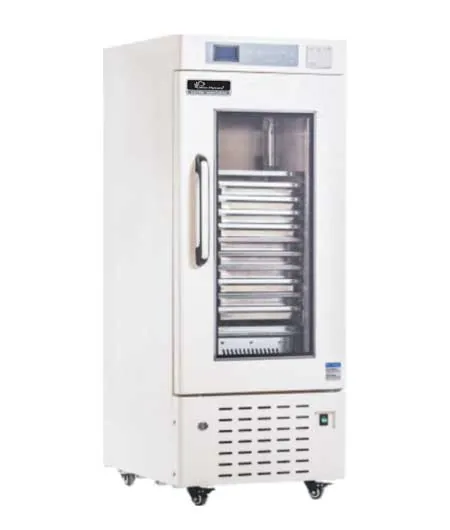
| Blood collection | Refrigerators for tested and untested blood, stored separately | 2–6°C, digital dial thermometer, recording thermograph, alarm device, provision for continuous power supply | Yes: WBC-4V blood bank refrigerators |
| Blood collection | Donor beds, chairs, tables, bedside table, recovery beds | Suitably cushioned, appropriate size | No |
| Blood collection | Sphygmomanometer, stethoscope, clinical thermometers | No | |
| Blood collection | Weighing devices for donors and blood containers | No | |
| Haemoglobin testing | Copper sulphate solution, haemoglobinometer or colorimetric method; for camps, a portable Hb meter (2020) | Copper sulphate at specific gravity 1.053 | No |
| Blood containers | Disposable PVC blood bags, closed system, with CPDA-1, ACD or additive solutions | Per IP/USP/BP | No |
| Laboratory | Refrigerators for diagnostic kits and reagents | 4–6°C (±2°C) with digital dial thermometer and continuous power | Yes: 2–8°C pharmacy refrigerators |
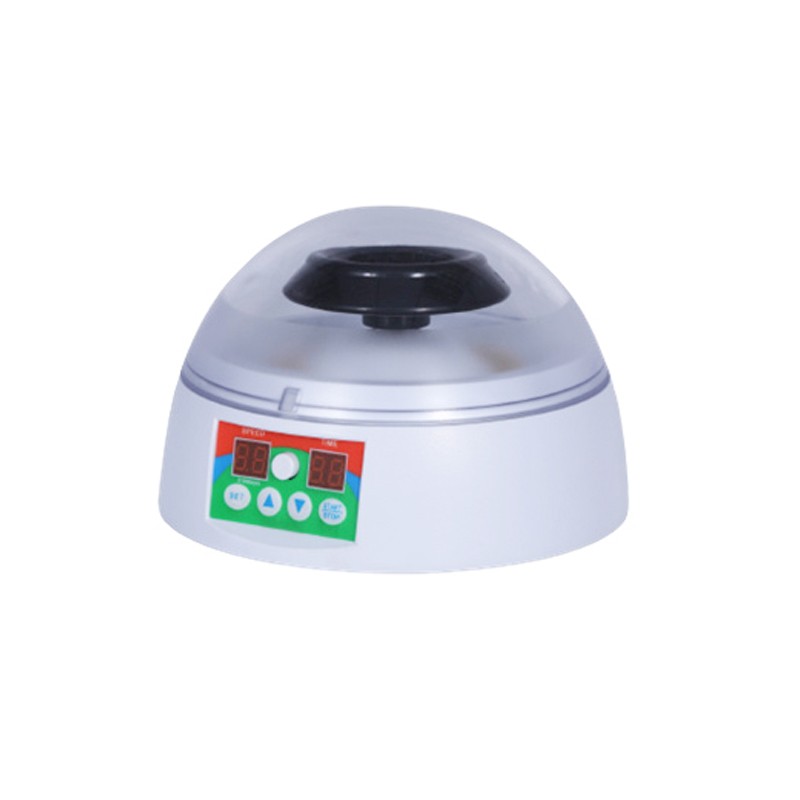
| Laboratory | Compound microscope, table centrifuge, water bath, Rh viewing box, incubator, serological shakers | Water bath 37–56°C | No |
| Laboratory | ELISA reader with printer, washer and micropipettes | No | |
| Laboratory | Dielectric tube sealer | No | |
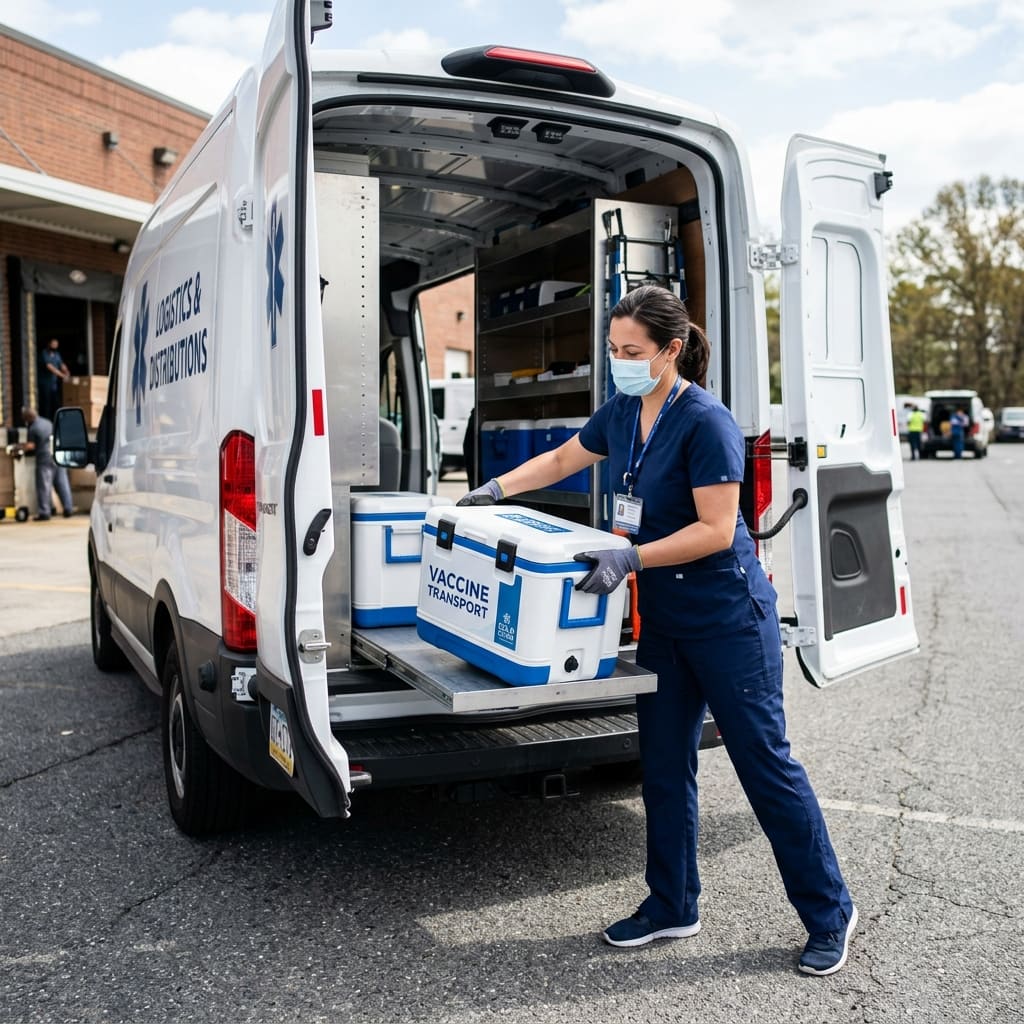
| Laboratory | Insulated containers for transporting blood to wards and hospitals | 2–10°C | Yes: portable medical coolers with a 2–8°C mode |
| General | Autoclave with temperature and pressure indicator, incinerator, stand-by generator | No | |
| Component preparation | Air conditioner, laminar air flow bench | Component room held at 20–25°C | No |
| Component preparation | Refrigerated centrifuge; plasma expresser, automated extractor or multi-head tube sealer (2020); dielectric sealer; weighing device | No | |
| Component preparation | Refrigerator | 2–6°C with digital dial thermometer, recording thermograph, alarm, continuous power | Yes: WBC-4V series |
| Component preparation | Platelet agitator with incubator | Wherever necessary | Yes: WPI-5 and WPI-10 platelet incubators |
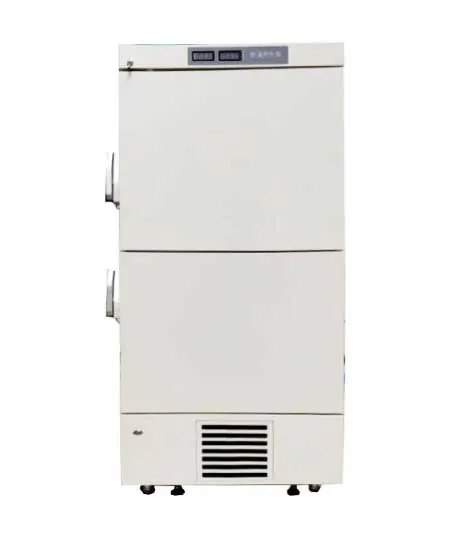
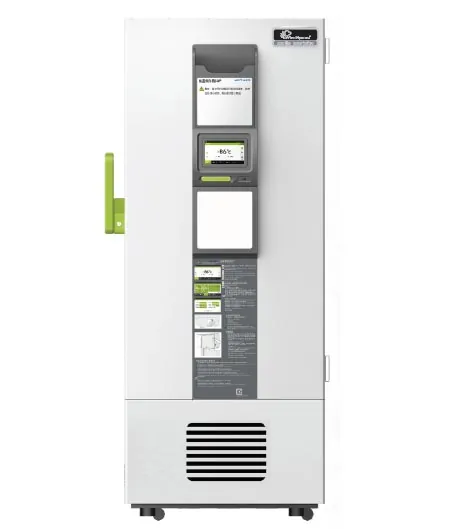
| Component preparation | Deep freezer or snap freezer | −30°C to −40°C, and −75°C to −80°C | Yes: WDF-40V528 plasma freezer and ULT freezers |
| Component preparation | Refrigerated water bath for plasma thawing; cryobath (added 2020) | No | |
| Component preparation | Insulated blood bag containers for transport | At the appropriate temperature | Yes: portable medical coolers |
Seven of the rows above are cold-chain equipment, and they carry the most risk: a single temperature excursion can make every unit inside the cabinet unusable.
Which temperatures does a blood centre have to hold?
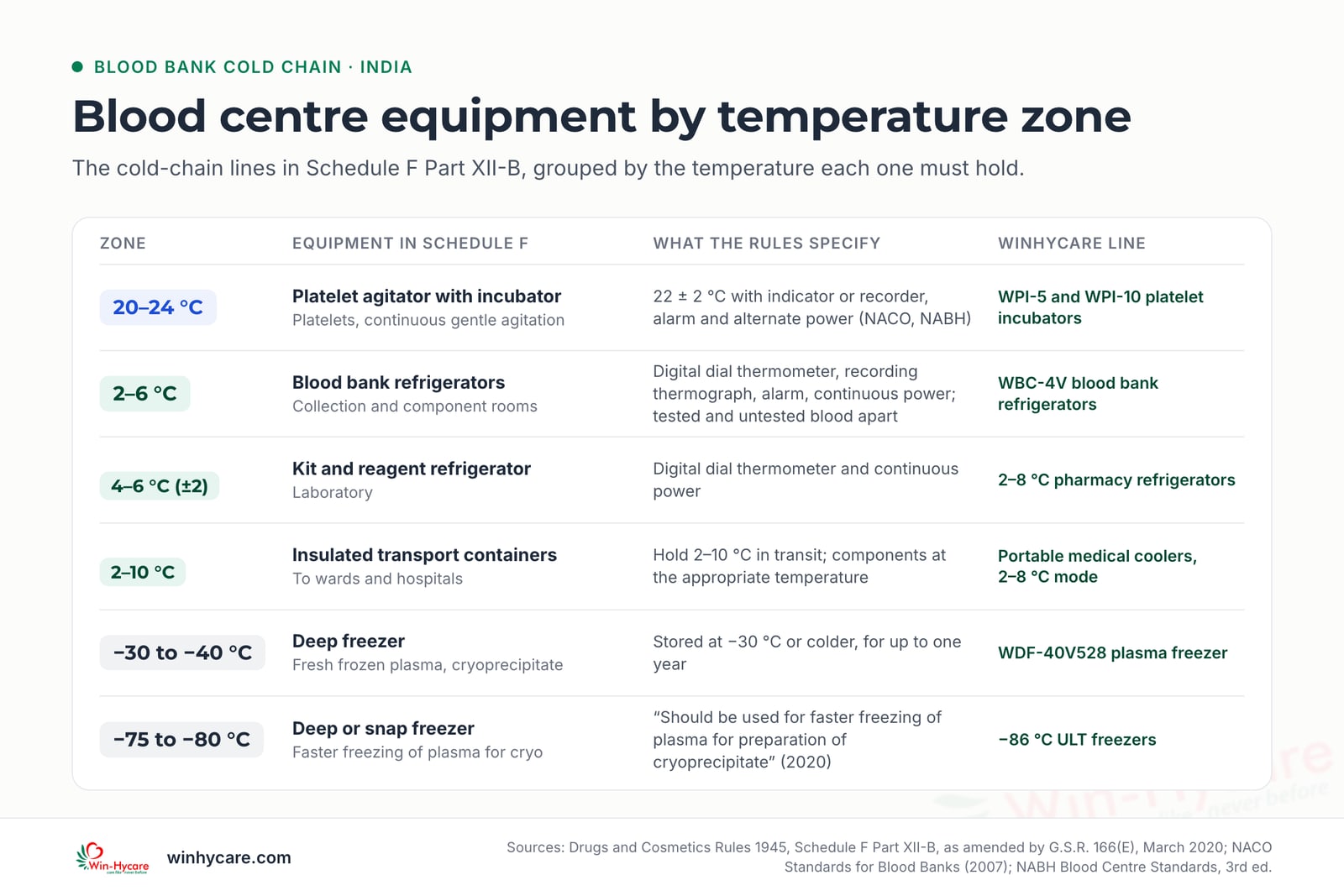
Four, and each needs its own equipment.
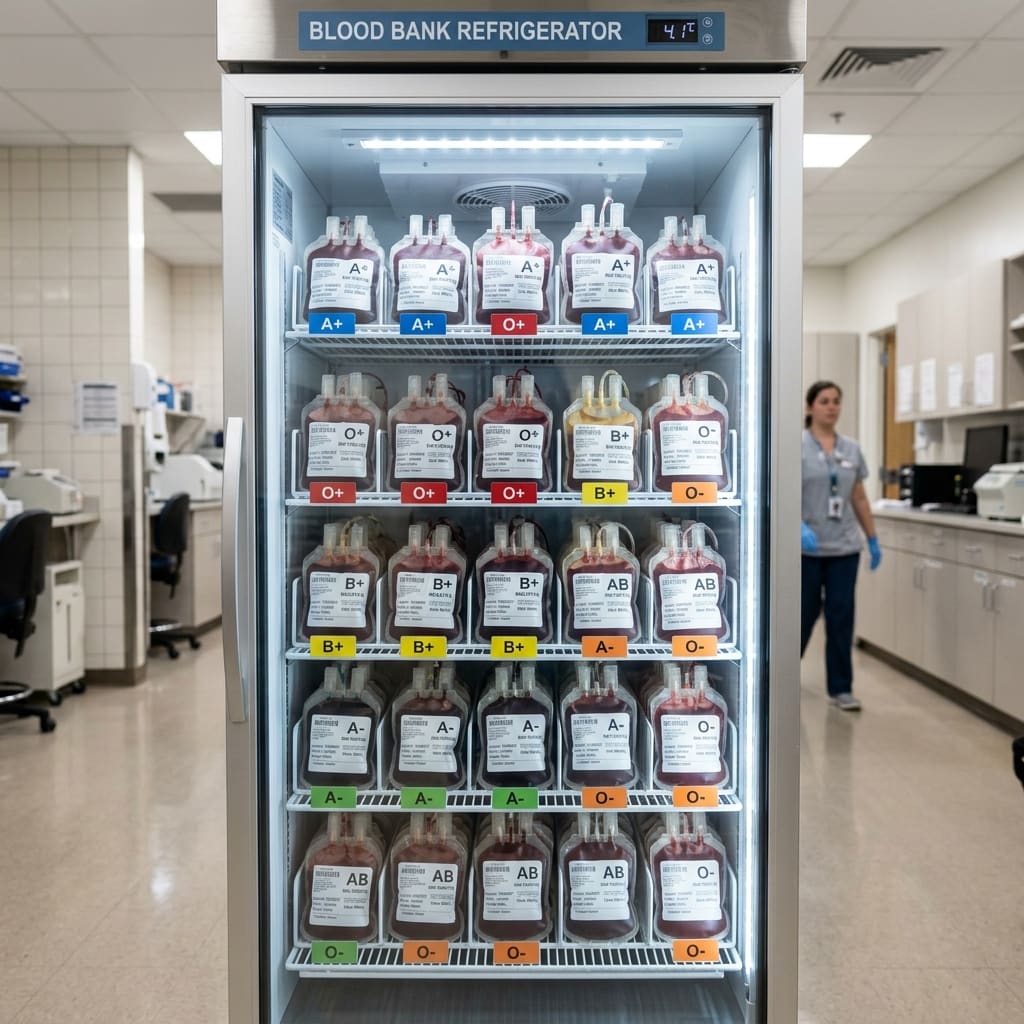
- 2–6°C for whole blood and red cells. The rules ask for a recording thermograph and alarm, and NACO and NABH both require that alarm to sound in an area staffed round the clock.
- 20–24°C with continuous gentle agitation for platelets. NACO and NABH specify 22 ± 2°C, with a temperature indicator or recorder, alarm and alternate power.
- −30°C to −40°C for fresh frozen plasma and cryoprecipitate, which must be stored at −30°C or colder for up to one year.
- −75°C to −80°C for faster freezing. The 2020 amendment says a −80°C deep freezer “should be used for faster freezing of plasma for preparation of cryoprecipitate.”
WHO’s blood cold chain manual publishes minimum performance specifications for each of these: blood refrigerators, plasma freezers, platelet agitators, plasma thawers and blood transport boxes. They are a useful second check when you write a tender specification. Our guides on how long blood can be stored and plasma freezer temperature explain why each band exists.
What does the licence require before equipment is bought?
Equipment is one part of a licence application, not the first step. Under Part X-B of the Drugs Rules, a blood centre applies on Form 27-C and is licensed on Form 28-C. The licence is granted only after an inspection, and the Central Licence Approving Authority can reject an application if the applicant cannot meet the requirements, whatever the inspection report says. A licence is valid for five years.
Space comes before equipment too. Schedule F asks for 100 square metres for blood centre operations plus 50 square metres for component preparation, with separate rooms for donor registration, collection, component preparation, serology, infection testing, sterilisation and washing, donor rest, and stores and records. The component room must be air-conditioned to 20–25°C, which also helps the refrigerators and freezers inside it.
So the order of work is usually: premises and staffing plan, then the equipment list, then procurement. Buying a freezer before the floor plan is fixed is how a −80°C unit ends up in a room without the ventilation it needs.
How often does each item need calibrating?
Schedule F sets minimum frequencies, and NABH requires calibration traceable to SI units, with labels showing calibration status and due date on every item. A few examples from the rules:
| Equipment | Performance check | Frequency |
|---|---|---|
| Temperature recorder | Compare against thermometer | Daily |
| Refrigerated centrifuge | Observe speed and temperature | Each day of use |
| Haematocrit centrifuge | Standardise | Before first use, after repair or adjustment, and annually |
| Blood container weighing device | Standardise against a container of known weight | Each day of use |
| Electronic thermometers | Check | Monthly |
| Autoclave | Observe temperature | Each time of use |
Budget for this when you buy. A refrigerator with a built-in printer or data logger makes the daily recorder check straightforward; one with only a display turns it into a manual reading every few hours.
What does WinHyCare supply for a blood centre?
We design and supply the cold-chain equipment and leave the rest to specialists. Our range for blood centres:
- Blood bank refrigerators: WBC-4V108, WBC-4V208, WBC-4V658 and WBC-4V1008, from 108 to 1,008 litres, holding 4 ± 1°C with forced-air cooling, five alarm conditions, a built-in printer and a 72-hour battery for the display and alarms.
- Plasma freezer: WDF-40V528, 528 litres, −10°C to −40°C, with high and low temperature, power failure, door-ajar and sensor alarms.
- ULT freezers: −40°C to −86°C models for the −75°C to −80°C requirement.
- Platelet incubators: WPI-5 and WPI-10, 20–24°C with oscillating shelves, for 5 or 10 bags.
- Reagent storage: 2–8°C pharmacy refrigerators.
- Transport: portable medical coolers with 2–8°C, −10°C to −25°C and 22 ± 2°C modes.
- Laboratory: the WCF-2006H micro-haematocrit centrifuge.
All of it is supplied to ISO 9001 and ISO 13485 quality standards, with installation and service coordinated from our Hyderabad service centre.
What we do not supply: refrigerated centrifuges, component extractors and plasma expressers, tube sealers, blood collection monitors and donor couches, haemoglobin meters, laminar air flow benches, plasma thawers and cryobaths, ELISA systems, microscopes, autoclaves, incinerators, generators, blood bags and reagents. If a tender bundles those items with cold-chain equipment, tell us and we will quote our lines and say which ones we are not quoting.
What about a blood storage centre?
A blood storage centre receives tested blood from a licensed blood centre and stores it for transfusion; it does not collect or process. CDSCO’s guideline describes the exemption from a full licence created by notification G.S.R. 909(E) of 2001 for storage centres run by first referral units, community and primary health centres or hospitals, under item 5B of Schedule K. It lists the core equipment as a “blood bank refrigerator with alarm system & temperature indicator,” a minimum area of 10 square metres, and an annual limit of 2,000 units, with a separate equipment list if components will be stored. Confirm the current conditions with your State Drugs Controller before you plan around them.
For a storage centre, our WBC-4V108 (108 litres, rated for 66 bags) or WBC-4V208 is usually the right size, plus a platelet incubator if platelets are stocked. For a full blood centre, see our note on what drives blood bank refrigerator prices before you collect quotes, and our tenders and GeM page if you are buying through a government tender.
Frequently asked questions
What equipment is needed to start a blood bank in India?+
At minimum: donor couches and recovery beds, weighing devices for donors and bags, haemoglobin testing, 2–6°C blood refrigerators with recorder and alarm, laboratory equipment for grouping and infection testing (microscope, centrifuge, water bath, incubator, ELISA reader and washer), a dielectric tube sealer, insulated transport containers, an autoclave, an incinerator and a stand-by generator. A component unit adds a refrigerated centrifuge, plasma expresser, platelet agitator with incubator, deep freezers and a plasma thawing bath.
What is the difference between a blood bank refrigerator and a plasma freezer?+
A blood bank refrigerator holds whole blood and red cells at 2–6°C. A plasma freezer holds fresh frozen plasma and cryoprecipitate frozen; Indian rules require −30°C or colder and list deep freezers at −30°C to −40°C. WHO describes the temperature range as the main difference between the two.
Do blood storage centres need the full equipment list?+
No. A blood storage centre receives tested units from a licensed blood centre and does not collect or process blood. CDSCO's guideline lists a blood bank refrigerator with alarm system and temperature indicator as the core equipment, with separate equipment needed if components such as platelets or plasma will be stored. Check current conditions with your State Drugs Controller.
How often must blood bank equipment be calibrated?+
Schedule F sets minimum frequencies. Temperature recorders are compared against a thermometer daily; refrigerated centrifuges have speed and temperature observed each day of use; haematocrit centrifuges are standardised before first use, after repair and annually; electronic thermometers are checked monthly. NABH adds that calibration must be traceable to SI units.
Does WinHyCare supply all blood bank equipment?+
No. WinHyCare designs and supplies the cold-chain items: blood bank refrigerators, plasma and ULT freezers, platelet incubators, reagent refrigerators and portable medical coolers, plus a micro-haematocrit centrifuge. Refrigerated centrifuges, component extractors, sealers, donor couches, laboratory analysers and blood bags come from specialist suppliers.
Sources
- Guidelines for blood bank, merged with G.S.R. 166(E) dated 11.03.2020 (Drugs and Cosmetics Rules, 1945, Part X-B and Schedule F Part XII-B), Central Drugs Standard Control Organisation (CDSCO), Government of India
- Drugs Rules, 1945 (as amended), Central Drugs Standard Control Organisation (CDSCO), Government of India
- Standards for Blood Banks & Blood Transfusion Services (2007), National AIDS Control Organisation (NACO), Ministry of Health & Family Welfare (copy hosted by IAPSM)
- Accreditation Standards on Blood Banks/Blood Centres and Transfusion Services, 3rd edition (with amendments), National Accreditation Board for Hospitals and Healthcare Providers (NABH)
- Safe blood and blood products: Manual on the management, maintenance and use of blood cold chain equipment (2005), World Health Organization